
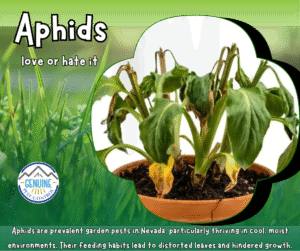
When Aphids Attack:
though tiny, can wreak havoc in your garden.
These soft-bodied insects feast on plant sap, weakening your flowers, vegetables, and shrubs. A small aphid presence can quickly escalate into a full-blown infestation if not addressed. The good news is that you can effectively manage them with a few smart practices and simple treatments.Identifying an Aphid Infestation
Keep an eye out for these common signs in your garden:
- Sticky, shiny residue (honeydew) on leaves.
- Ants on your plants, which “farm” aphids for their honeydew.
- Curled, yellowing, or misshapen leaves.
- Tiny clusters of insects on new shoots or the undersides of leaves.
Natural Aphid Control Methods
- Introduce Beneficial Insects
Ladybugs, lacewings, and parasitic wasps are natural predators of aphids. You can purchase ladybugs online or at garden centers and release them, letting nature handle the pest control!
- Use a Strong Water Spray
A powerful blast of water from your garden hose can dislodge aphids from your plants. Being fragile, they often struggle to climb back.
- Apply Neem Oil or Insecticidal Soap
These plant-safe and eco-friendly treatments suffocate aphids on contact and deter their return. For the safety of pollinators, apply in the early morning or evening.4. DIY Soap Spray
Create your own aphid deterrent:
- 1 quart of water
- A few drops of dish soap
- Optional: a teaspoon of vegetable oil for better adhesion
Spray the affected leaves thoroughly, both top and bottom. Repeat every few days until the aphids are gone.
- Prune Heavily Infested Branches
If a branch is severely infested, prune it and dispose of it far from your garden to prevent further spread.Preventing Future Infestations
- Avoid over-fertilizing: New, tender growth is particularly attractive to aphids.
- Inspect new plants: Always check new additions before introducing them to your garden.
- Promote plant diversity: Mixing different plant types can discourage large aphid colonies.
- Control ant populations: Since ants protect aphids, manage their presence near your plants.
Final Thoughts
Aphids can be persistent garden pests, but with consistent vigilance and natural pest management strategies, you can prevent them from taking over. Healthy plants, beneficial insects, and straightforward treatments are your most effective defenses. If your garden is overrun with aphids that you can’t control, a professional pest technician can safely manage the problem without harming your plants or pollinators.
https://genuinepestcontrol.net/services/vegetation-destroying-pest-service/